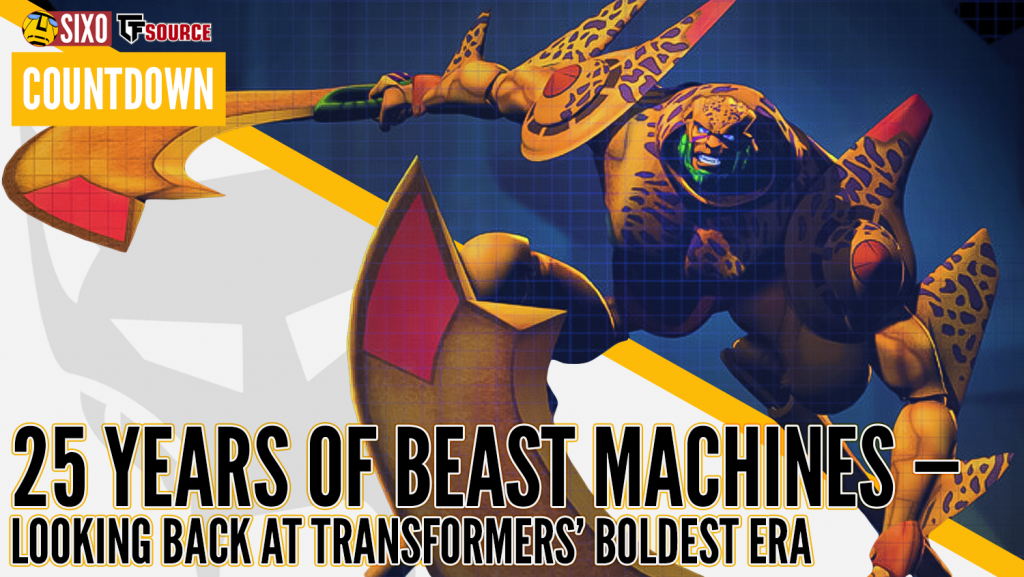
It’s now been roughly 25 years since Beast Machines concluded, a milestone that feels almost unreal for those who watched the era unfold in real time.
Arriving immediately after the beloved Beast Wars, the series didn’t just change direction; it veered into a completely different lane. A darker tone, a sleeker and more symbolic art style, unfamiliar characterisations, and a toyline that pushed the brand into weird new territory — it was bold, baffling, brilliant, often frustrating, and hotly debated.
But whether you adored its ambition or still shake your head at the choices it made, one thing is impossible to deny: Beast Machines dared to take risks, and Transformers is richer for it. Let’s look back at five ways this strange little era remains one of the franchise’s most fascinating reinventions.
#5: A Radical Shift In Style

Where Beast Wars embraced organic detail and tactile realism, Beast Machines leapt toward something far more stylised: neon-lit skylines, flowing techno-organic surfaces, and character models that felt like exaggerated caricatures rather than living machines.
It was hugely polarising, absolutely, but it also gave the franchise a visual identity unlike anything before or since. Even today, nothing looks quite like Beast Machines, for better or worse.
Nowhere is that more evident than with the characters themselves. The Maximals’ new forms — elongated, sinewy, expressive in ways Transformers had never been — sparked some of the biggest debates of the era. Optimus Primal’s spiritual redesign, Cheetor’s tall, lithe silhouette, Blackarachnia’s dramatic humanoid overhaul… to say nothing of Rattrap’s wheels. These weren’t just tweaks; they were wholesale reinterpretations that pushed the boundaries of what a “Transformer” could look like. Whether you saw them as bold artistic choices or a step too far — perhaps even way too far — they remain some of the most distinctive, if not flat-out divisive, designs in the franchise’s history.
#4: A Toyline That Broke the Rules
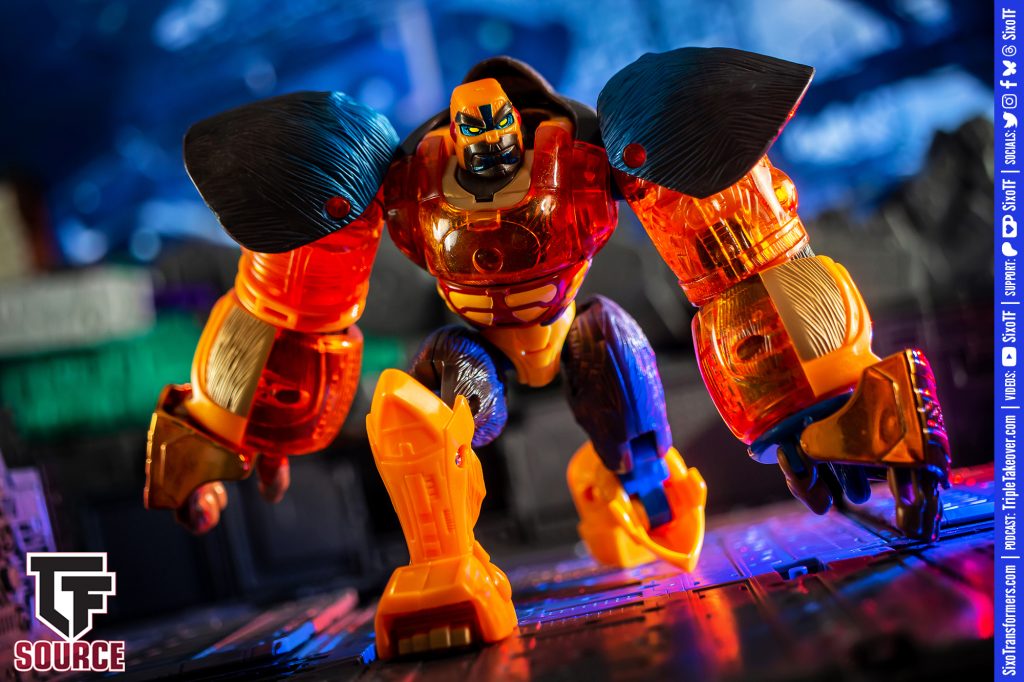
If the show pushed boundaries, the toyline followed suit just as forcefully. Beast Machines arrived at a point when the brand had firmly found its groove towards the peak of Beast Wars, marrying inventive toy design with hitherto unseen levels of cartoon accuracy. Yet instead of refining what came before, the new toys tore up the formula and rebuilt it from the ground up.
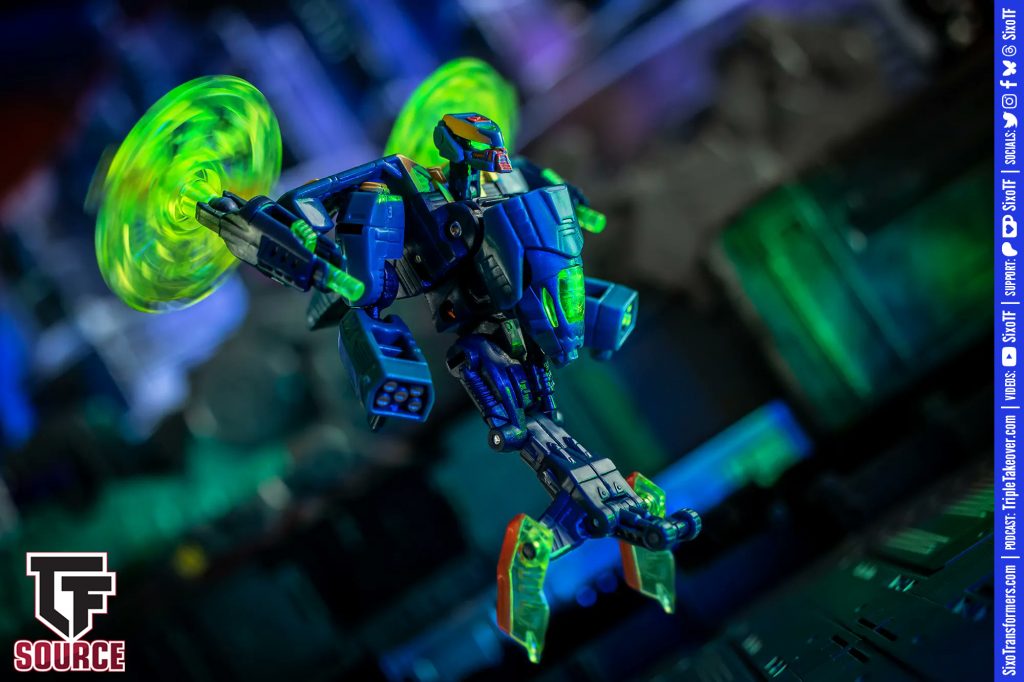
The Vehicons were the breakout success of the line — sleek, angular, unapologetically mechanical designs which helped reintroduce full vehicle modes to a franchise that had spent years in beast territory. Even today, they’re sometimes regarded as among the era’s strongest toys, balancing style, personality, unusual quirks, and clever engineering in a way that felt genuinely fresh at the time.
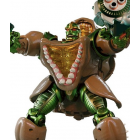
The Maximals, meanwhile, were far more controversial. Their hyper-stylised, techno-organic bodies made for toys that often looked nothing like what fans were used to, and the reception was… mixed, to put it politely. Yet once you get many of them in hand, a surprising amount of creativity starts to shine through. Yes, there are some undeniable missteps, but alongside them is also an array of wonderfully oddball designs whose ambition and ingenuity speak for themselves. Few would argue this was a roster of timeless classics, but it’s true to say that many of the designs from Beast Machines are unique, at the very least.
It makes for a toyline full of risks — not all successful, but rarely boring — and that willingness to experiment is a huge part of its enduring appeal.
#3: A High Concept Premise Ahead of Its Time
One of Beast Machines’ greatest strengths is how clear and deliberate its thematic core was. The clash between the evolving, techno-organic Maximals and the cold, regimented Vehicons wasn’t just a visual contrast; it was a philosophical one. Rounded, living forms versus rigid, weaponised geometry; the messy unpredictability of growth challenging the suffocating order of authoritarian control. At its heart, the series wasn’t just “nature vs technology” — it was free will defying fascism, a surprisingly mature framework for a children’s cartoon about alien robots.
That clarity gave the show a sense of identity which remains striking today, and its influence has quietly echoed through the brand ever since, even if not always intentionally. Transformers Animated borrowed heavily from the idea of techno-organic evolution, not just in aesthetic choices but in characters like Blackarachnia and Sari, whose arcs hinge on hybridity and transformation. Later, the IDW comics picked up the baton in a different direction, exploring ideological conflict, authoritarian rule, and the consequences of forced “purity” — themes that feel spiritually aligned with Beast Machines’ central conflict.
It’s a testament to how ahead of its time the series was. Beneath all the controversy and stylistic whiplash, Beast Machines planted seeds that would quietly grow across Transformers media for years to come.
#2: A Burgeoning Modern Reappreciation
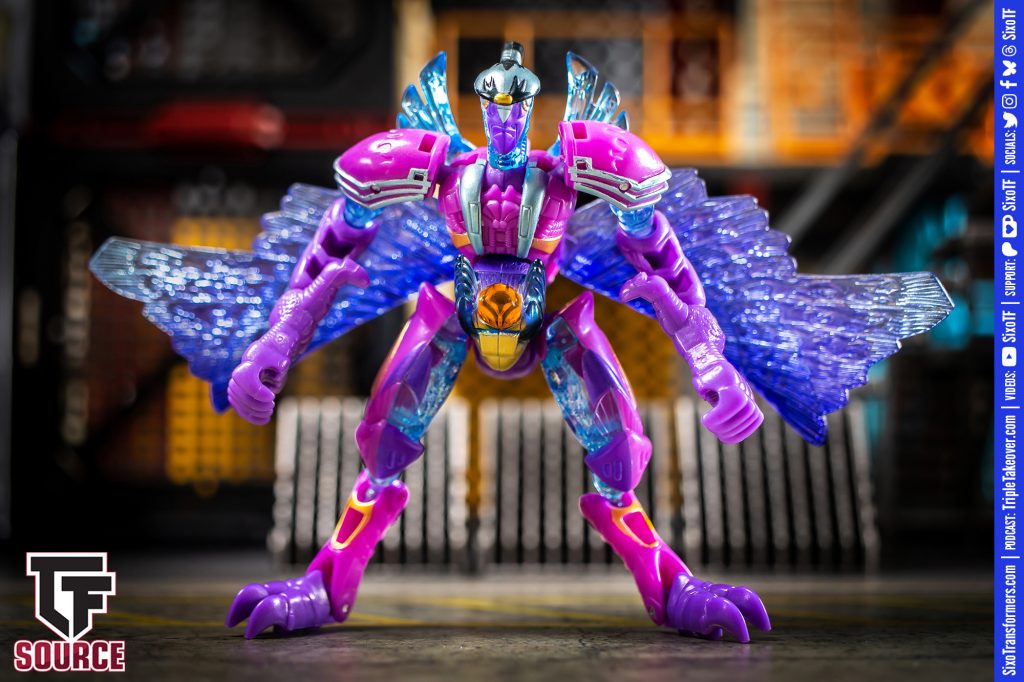
For years, Beast Machines sat in an odd spot — too strange for some, too ahead of its time for others. But in the last decade, something unexpected has happened: a growing wave of re-evaluation, as new and old fans alike begin to realise how intriguing the series actually was.
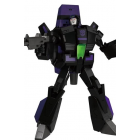
That said, whilst designers at Hasbro have occasionally praised the show’s boldness, modern Generations makeovers remain incredibly sparse. Beyond a Core class Cheetor, more a token nod than a true revival, updates have appeared only sporadically over the years, with figures such as 2014’s Thrilling 30 Tankor standing out as rare highlights. Fans continue to champion new takes on Strika and Obsidian, and even oddities such as Silverbolt’s reformatted form or Nightscream feel long overdue for another look.
Confirmed homages to Beast Machines in later media are admittedly rare, but stylistic echoes can be found if you go looking for them. Most recently, Transformers One introduced a more fluid, semi-organic interpretation of Cybertron’s surface and architecture — not explicitly inspired by Beast Machines, but unmistakably aligned with some of its techno-organic flourishes.
A quarter-century on, not everyone considers the series as simply “the strange one”; it’s increasingly understood as a bold, fascinating, and underexplored corner of Transformers history, with enormous potential still waiting to be revisited.
#1: A Finale That Redefined What a Transformers Story Could Be
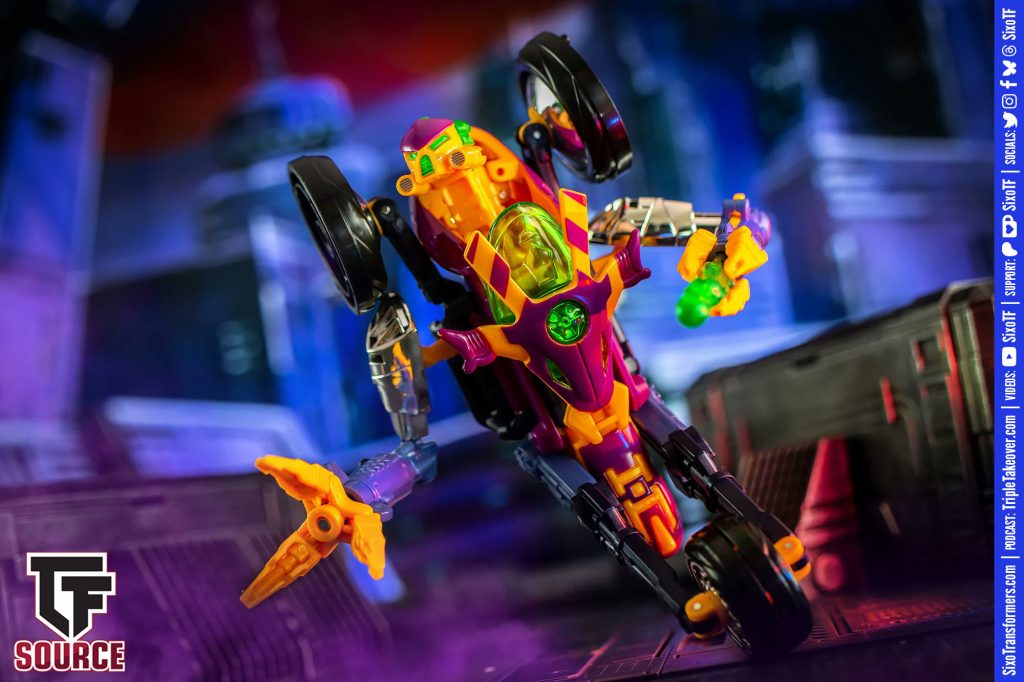
For all its controversy, Beast Machines did something few other Transformers series had dared: it committed to a singular ideological vision from start to finish and actually saw it through. Its ending — a reborn Cybertron that fused the mechanical and the organic — wasn’t just a narrative conclusion, but a thematic resolution too. Transformation became more than a physical act; it served as a metaphor for growth, renewal, and balance. It was daring and hugely divisive, sure, but also unforgettable and narratively ambitious.
Where many expected a triumphant return to the old status quo, Beast Machines offered something more challenging. Optimus Primal’s final sacrifice remains one of the franchise’s most striking moments — quiet, reflective, and almost spiritual — because the victory wasn’t about crushing an enemy, but choosing what Cybertron should become. Few Transformers finales have carried that kind of existential weight.
And in its wake, the franchise changed. Later series like Animated, Prime, and the IDW comics embraced long-form arcs, ideological conflict, and character-driven storytelling in ways that echo the path Beast Machines (and Beast Wars before it) helped pioneer. Even when newer stories take very different directions, they do so in a landscape reshaped by its ambition.
It may not have been the finale fans wanted (and boy, did they say so at the time!). Yet it was the ending the story demanded — challenging, unconventional, and utterly unlike anything else in Transformers. A quarter-century on, its impact still resonates.
After 25 years, Beast Machines stands as one of the most daring eras in the brand’s history. Love it or hate it, the series proved that Transformers can evolve in unexpected directions, and honestly, the franchise is richer for having something this strange, ambitious, and visionary in its lineage.
TTFN


WHAT HAVE TRANSFORMERS DONE FOR ME?


Suggested Articles
-
 COUNTDOWN: Just 30 outstanding Transformers tweets from the last few weeks!
Posted on March 13, 2026 by Sixo
COUNTDOWN: Just 30 outstanding Transformers tweets from the last few weeks!
Posted on March 13, 2026 by Sixo
-
 COUNTDOWN: Skybound Transformers #30 — 8 big things to talk about!
Posted on March 11, 2026 by Sixo
COUNTDOWN: Skybound Transformers #30 — 8 big things to talk about!
Posted on March 11, 2026 by Sixo
-
 COUNTDOWN: Missing Link Convoy Repaints — What Could Be Next?
Posted on March 04, 2026 by Sixo
COUNTDOWN: Missing Link Convoy Repaints — What Could Be Next?
Posted on March 04, 2026 by Sixo
-
 COUNTDOWN: Just 30 Tremendous Transformers Tweets From the Last Few Weeks!
Posted on February 27, 2026 by Sixo
COUNTDOWN: Just 30 Tremendous Transformers Tweets From the Last Few Weeks!
Posted on February 27, 2026 by Sixo