Gimmicks sometimes get a bad rap in Transformers collecting. For every clever play feature that enhances a toy, there’s another that compromises the design, adds unnecessary bulk, or simply doesn’t work as intended.
But here’s the thing — many gimmicks genuinely elevated the toys they appeared on. They added play value, enhanced display, or introduced entirely new ways to interact with robots in disguise.
Here are six Transformers gimmicks that actually delivered — and three that really didn’t.
#9: DID WORK — Flipchangers
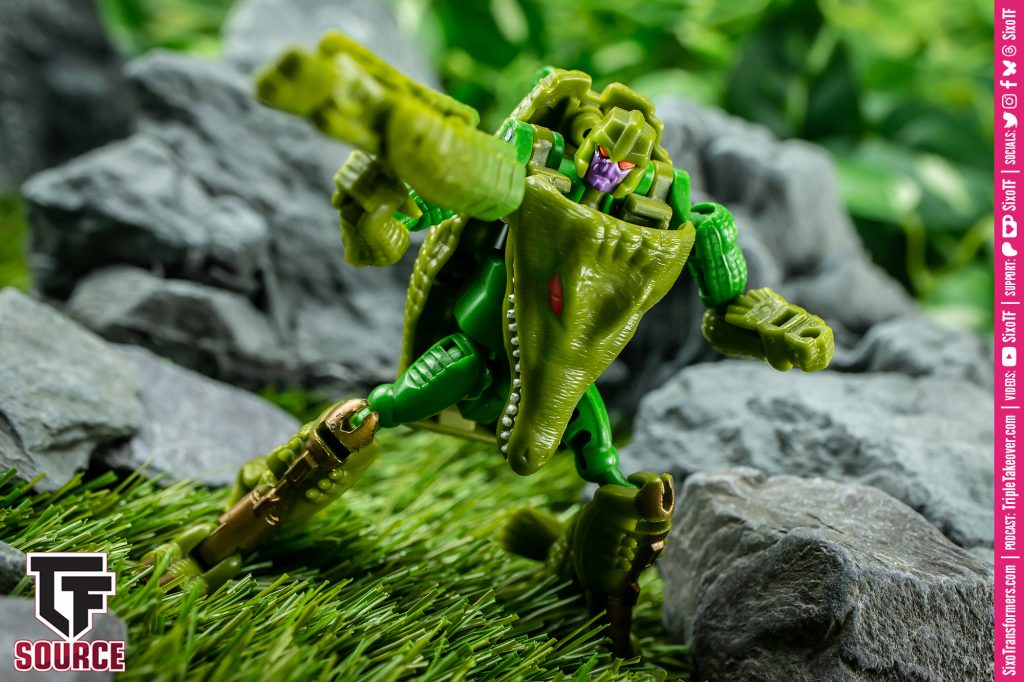
Auto-transforming gimmicks have come in many shapes and sizes over the years, from the super-stylish ‘automorph’ conversions of the 2007 Movie toys through to more modern spring-loaded one-steps that quickly jump between modes with a simple flick. Yet for my money, one of the more memorable instances is from the 1990s — the semi-officially-named flipchangers seen in lines like Beast Wars, Machine Wars, and Robots in Disguise.
True, they weren’t the first to do it. The template had already been set in the 1980s by the likes of the Jumpstarters and Battlechargers. But flipchangers still felt different in many regards. The earliest designs first appeared in 1997’s Machine Wars, which, as we now know, trace their origins back to Generation 2, despite being unproduced at the time.
Yet for many of us, our initial encounter with flipchangers was in the early days of Beast Wars and the Basics line-up, with all manner of animals ready to split open and spring into robot form just by pulling their tail (or whatever other appendage). I can distinctly recall how mesmerising this was at the time — prompting endless repetition and some genuine curiosity about how remarkably clever the designs themselves were, despite being so simple to operate.
Indeed, I frequently find that these sorts of small spring-loaded toys belie just how much ingenious engineering is packed in under the surface, all in service of making the gimmick work.
#8: DID WORK — Rubsigns
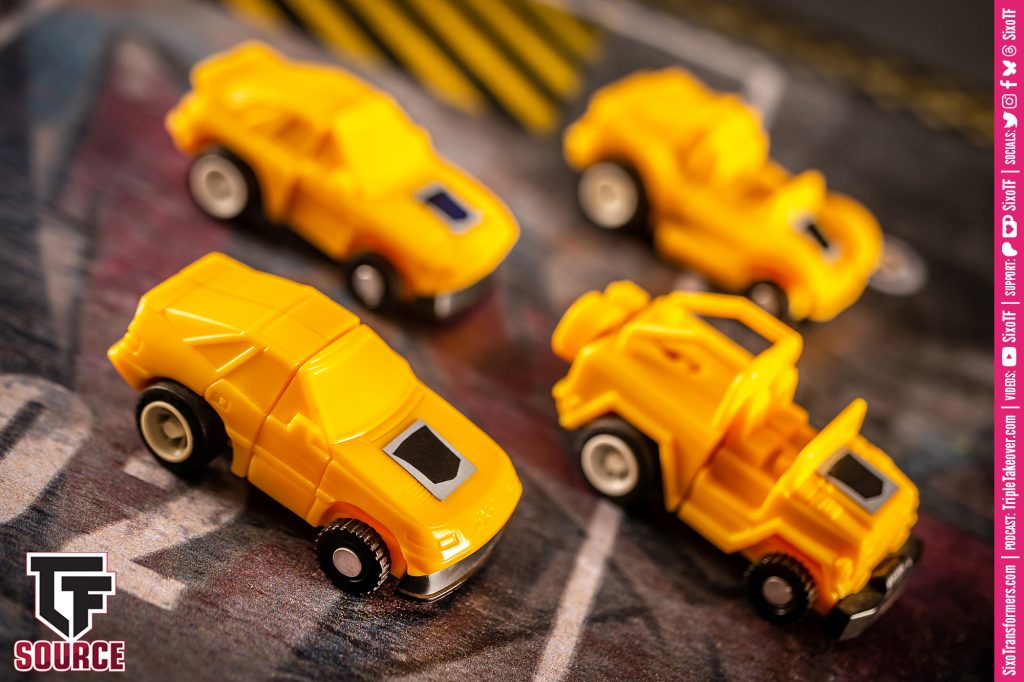
Though easy to overlook in favour of flashier alternatives such as lights, sounds, and spring-loaded doodads, I’d make a strong case that rubsigns are not only one of the most unique gimmicks found in the Transformers line, they’re also one of the most historically important.
The premise is simple: the character’s allegiance can be revealed by rubbing a little temperature-activated sticker found on their body. The first toys to be adorned with them were the 1985 Mini-Spies — the micro motorised pack-ins with that year’s re-released Minibots — but it wouldn’t be long before rubsigns were promoted to a line-wide endeavour, one that lasted several years and became synonymous with Transformers as a brand, even featuring prominently in marketing material of the time.
You see, rubsigns weren’t just a fun feature to be found on the figures themselves. They became a signal of authenticity, proving to the owner that what they held in their hands was a genuine Transformers article, and not some cheap off-brand imitation like those ghastly Go-Bots (puttup!). That Tonka’s transforming toys were actually much better than any of us were led to believe at the time is a testament to how well this rather unsubtle marketing push worked — such is the apparent appeal of a little heat-sensitive secret symbol!
Rubsigns have become a common cornerstone of the franchise since, returning in Beast Wars, Classics, Reveal the Shield, and of course on countless reissues along the way. They’ve even spun off into sister lines like Battle Beasts. There may be no need for Transformers to assert its dominance these days, but the gimmick itself is just as appealing.
And there’s the rub.
#7: DIDN’T WORK — Colour-changing
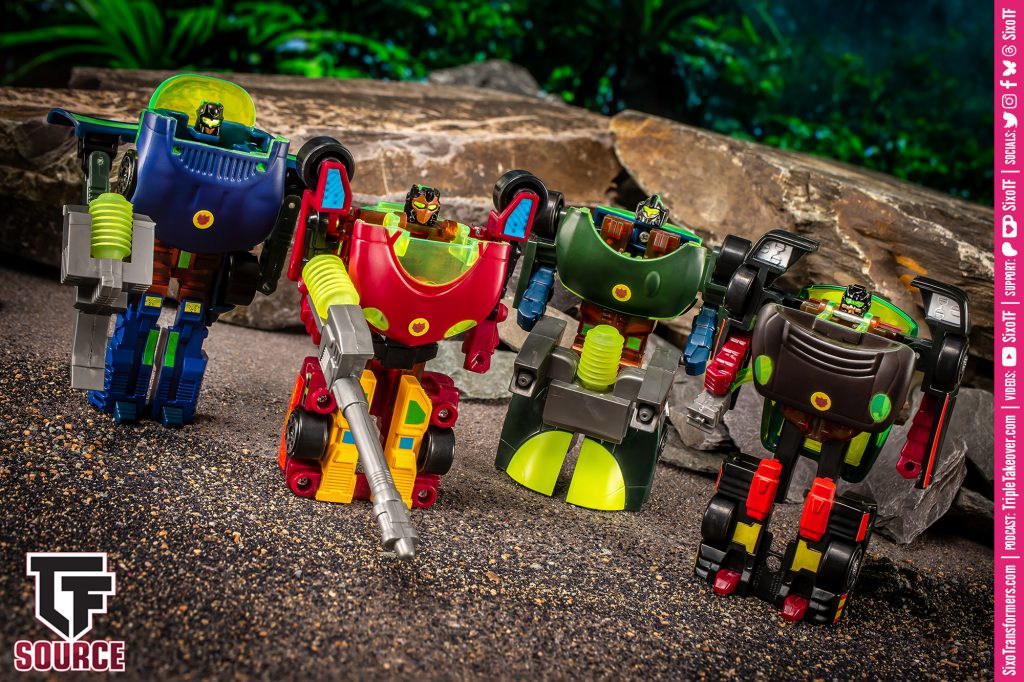
Firstly, colour-changing toys are awesome. That’s a fact. Simple as it is, there’s something timeless about immersing a toy in water and watching it shift hues almost immediately, and it’s as appealing to kids now as it ever was back in my day.
But colour-changing Transformers? No. That’s a recipe for disaster — a combination of two separately sublime elements that together make for an unholy cocktail of calamity.
That might sound harsh, but consider the various elements inherent in Transformers toy construction: plastic, yes, but held together with metal screws, and all finished with nice paint and a healthy helping of adhesive stickers. None of that sounds ideal for a soaking, does it?
There’s a good reason the aqua-activated feature has been so sparsely used in the line over the years, after first being attempted by the 1993 Generation 2 Color Changers (or indeed their expanded European counterparts, the Aquaspeeders and Stormtroopers). Activating it just ruins the toys themselves, as evidenced by how hard it is to find such vintage specimens in anything even approaching decent condition.
Even assuming you don’t rust the screws or entirely destroy the decals, the paint required to make it work is heavily susceptible to age once it’s been used, with well-worn examples looking a little (ahem) washed out, to say the least.
It’s evidence that sometimes, cramming in unnecessary gimmicks can be a slippery (when wet) slope.
#6: DID WORK — Light-piping
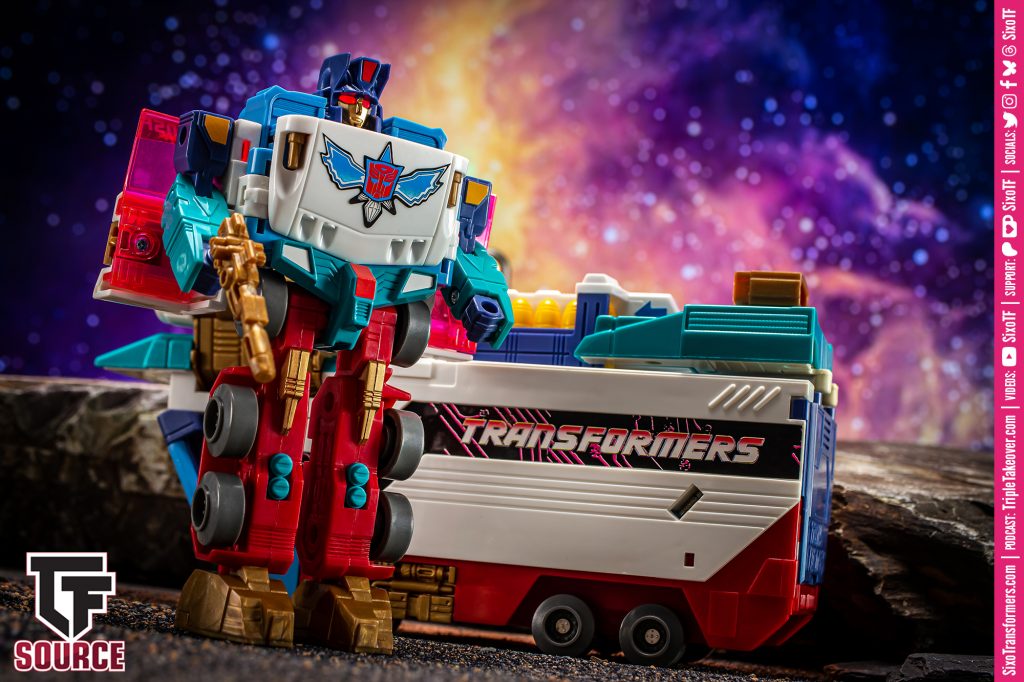
Everyone loves light-piping. Actually, scratch that — everyone loves good light-piping. And whilst it pains me to admit it, not all light-piping is good. But when it is good, boy, is it really good.
I’ve never been much of a fan of light-up eyes myself. Toys often look dead when they’re not activated, and fiddling around with batteries is a faff. But great light-piping can be easily and quite casually operated by simple handling of the toy and the vague presence of a window. True, it can have some of the same dull look when not executed well, but the best examples out there prove it can be done fabulously, and when that happens, it just makes the toys come alive.
Light-piping was first introduced on the European-exclusive Turbomasters and Predators back in 1992 — and honestly, I have little hesitation in saying it’s rarely been bettered since. With hot pink visors that flood with colour at the mere sniff of illumination, these toys look simply gorgeous even by today’s standards. At the time, it was quite simply revelatory.
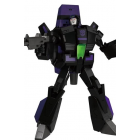
It says everything that this is a gimmick so good it’s become a mainstay of Transformers ever since, finding new life throughout the generations to the point where we almost don’t even notice it anymore — it’s so commonplace. True, not every example is as striking as Robots in Disguise 2001 Scourge or Binaltech Laserwave, but the best examples from over the years are more than enough to make the case for the gimmick.
Besides, if nothing else, my son still calls it “pipe lighting,” and that makes it worthy of inclusion all by itself.
#5: DID WORK — Evo-fusion
OK, hear me out. Someone will inevitably be waiting in the wings with the rather candid opinion that Evo-fusion is a bit naff, actually. It’s become expected whenever I even delicately proffer the opinion that there may be some merit to the whole thing, you see, although I can at least understand why.
After all, it’s not really a major gimmick by Transformers standards, is it? This is a brand which has given us some of the most outlandish and over-the-top play features imaginable in its history, but the simple notion of adorning toys with peg holes to equip them with additional accessories is the one that makes the list? And yes, actually calling it “Evo-fusion” is a bit of marketing fluff, I get that.
But here’s the thing — I have a secret weapon that lets me see the truth of why this line-wide feature is so appealing: I’m a father. Seriously, just watch any child get to work mixing a whole big bunch of accessories and then creatively mashing them onto a little roster of robots, and you’ll instantly see what I’m talking about. They love it! And for good reason — it taps into a layer of fun and interactivity that many of those more immediately impressive gimmicks can’t quite claim.
Sure, spring-loaded weapons and integrated features are never not cool, but Evo-fusion allows kids to have a say in how their toys are played with and displayed, and I guarantee you that’s more meaningful than any critiques of marketing gone mad would suggest.
So yes, naff name — but honestly? Transformers has got this one pegged.
#4: DIDN’T WORK — Sparking (friction sparks)
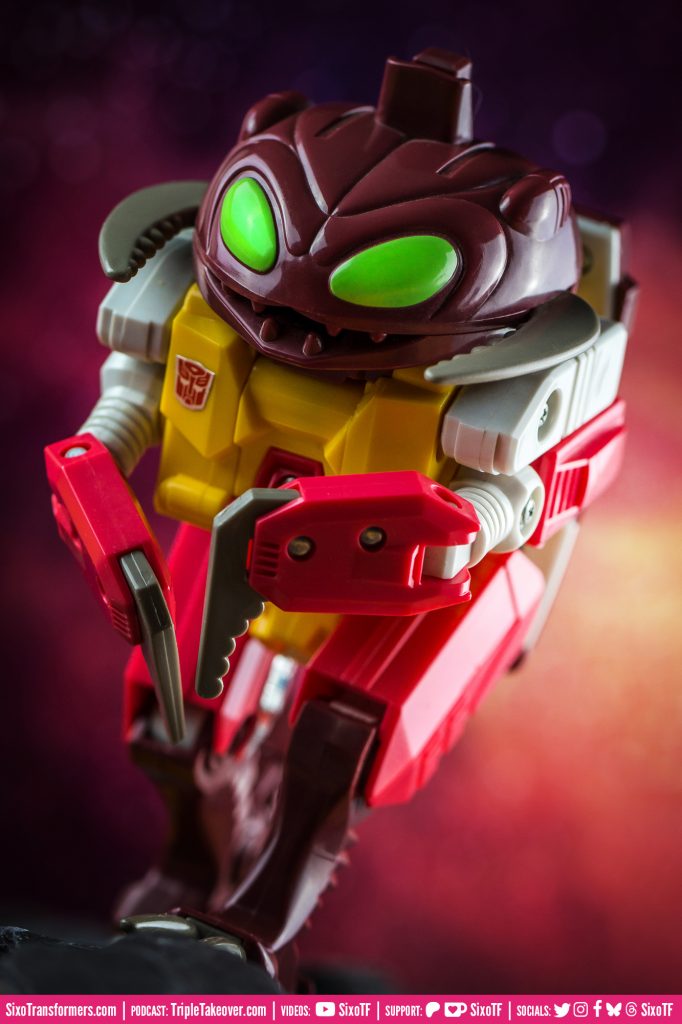
Ah, the 1980s. It was a different time. After all, this was an era when the notion of giving small children potentially incendiary devices for playthings was considered a goer.
OK, sure, sparking gimmicks did make a hugely surprising — albeit expectedly brief — return in 2014 with the Age of Extinction Dino Sparkers. But that slight lapse of judgement aside, most would agree this is one action feature which is best consigned to the history books.
Yes, in theory, it’s all a bit of fun. Your toys employ a spinning wheel against a flint to produce a shower of sparks for great effect, be it coming out of a monster’s mouth or simulating a vehicle’s exhaust. But consider the obvious downsides.
First, it quite literally ruins the figures over time, charring the surrounding area and marking the plastic, not to mention often wearing out with even relatively little use. But perhaps more worth mentioning, it’s a fairly obvious hazard in the wrong hands — putting a feature akin to a cigarette lighter inside a children’s toy surely means it’s only so long before your curtains are on fire.
And if you think I’m being hyperbolic here, it’s not just health & safety gone mad. This exact scenario happened in the early 1990s involving a ‘Roller Blade’ Barbie with a sparking gimmick, a can of hairspray, and a rather unsuspecting pair of siblings.
There’s a reason they don’t make toys like this much anymore, after all.
#3: DID WORK — Cyber Planet Keys
Ask anyone what their favourite gimmick of the Unicron Trilogy era is, and there’s a fair chance their mind will swiftly turn to 2002’s Mini-Cons — and to be fair, they’d be right to point out how inherently awesome the teeny transforming toys truly are. Outside of the original run of Micromasters, they’re far and away the best example of robots in disguise at such miniature scale, and they’re loaded with fun in how they activate the core play features of the robots they’re partnered with.
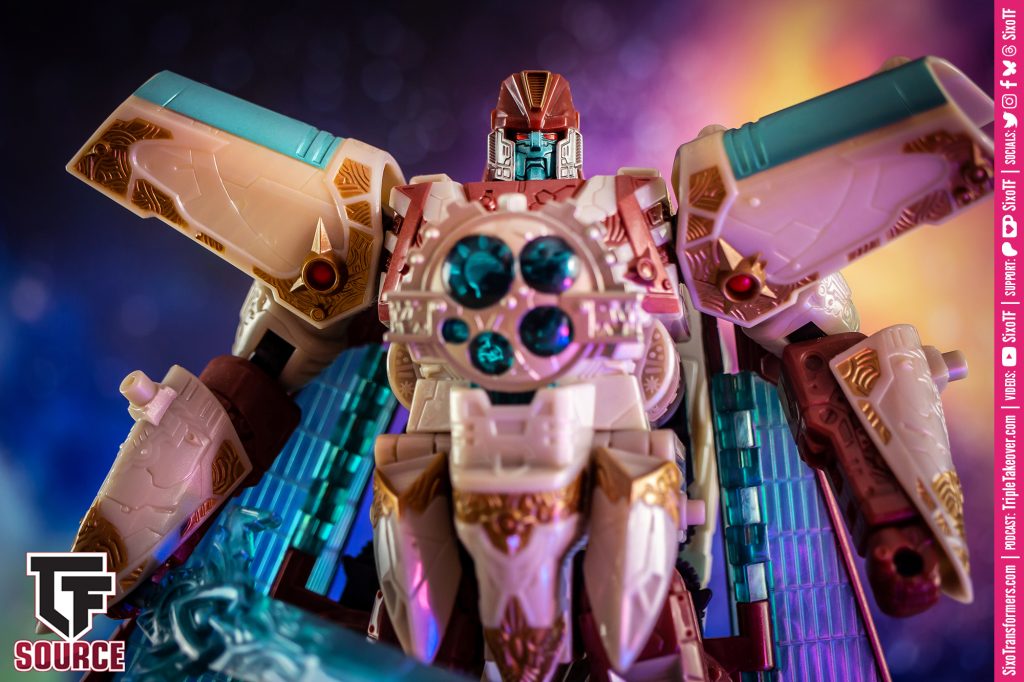
But here’s the thing — whilst I prefer Mini-Cons in terms of the minute marvels themselves, I’d posit that it was 2005’s Cyber Planet Keys that often integrated with the actual toys more meaningfully, and produced more impressive results in terms of the features they activated.
Sure, the interaction of a smaller item unlocking a hidden feature is the same in principle. But whereas Mini-Cons often felt a little conspicuous for how they tacked onto their partners, Cyber Planet Keys frequently enhanced the look of the larger toy. Consider the likes of Vector Prime, who rather stylishly wears his cog-themed key right in the centre of his chest. Sure, Optimus Prime being adorned with a bunch of small planes, trains, and automobiles was undeniably fun, but the keys were just cool and could often be left rather seamlessly in place without interrupting the handling of the figure outside of the gimmicks.
Really, though, we should feel blessed to have had two awesome takes within such a short span.
#2: DID WORK — Headmasters / Targetmasters
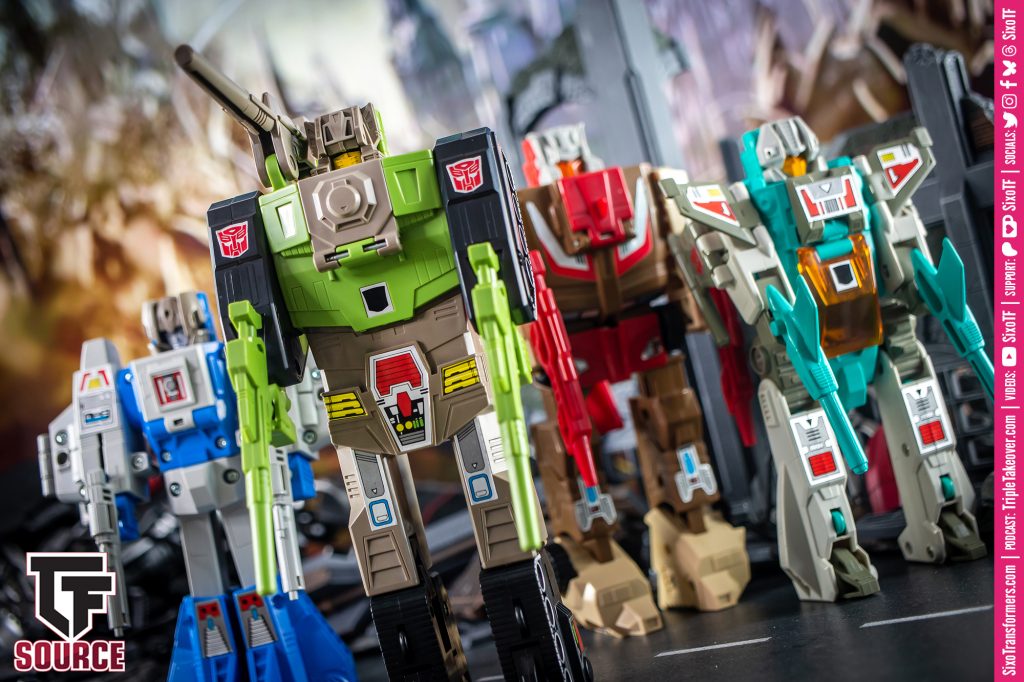
Very likely a personal favourite gimmick — and not just for nostalgia (though there’s some of that too). The toys that debuted this gimmick were some of the ones I most enjoyed during childhood, so it’s no surprise this resonated with me. But even then, it’s objectively a clever concept: introducing mini companions to the larger robots in disguise, adding an additional play pattern to the classic core gimmick and harkening back to the line’s pre-Transformers roots with the likes of Diaclone drivers.
It also gave the robots a true sense of scale for arguably the first time, putting into perspective how massive they were truly supposed to be compared to their human-sized comrades.
I’m lumping Headmasters and Targetmasters together here for obvious reasons, but I do feel they each do different things well. The gun guys are maybe a smidge cooler in concept — the idea of mini-figures turning into weapons has always had obvious appeal, even if it also makes zero sense, truth be told. However, I’d argue Headmasters were typically the better-executed take on the companion gimmick, as they integrated with the larger toys in more meaningful ways.
The classic Headmasters featured a chest-based tech spec reader in robot mode — a little flap that revealed the character’s stats for speed, strength, and intelligence when the head was plugged in. Beyond that, the heads took prime place in a cockpit for the vehicle or beast form, making them feel essential to the design. Both mini-partner ideas were top-tier, but in practice, it’s the cranium-themed crew which won my heart.
It’s a gimmick so fun they made a whole line out of it for 2016’s Titans Return, proving that little lads turning into giant robot heads is just a formula that works.
#1: DIDN’T WORK — Powermasters
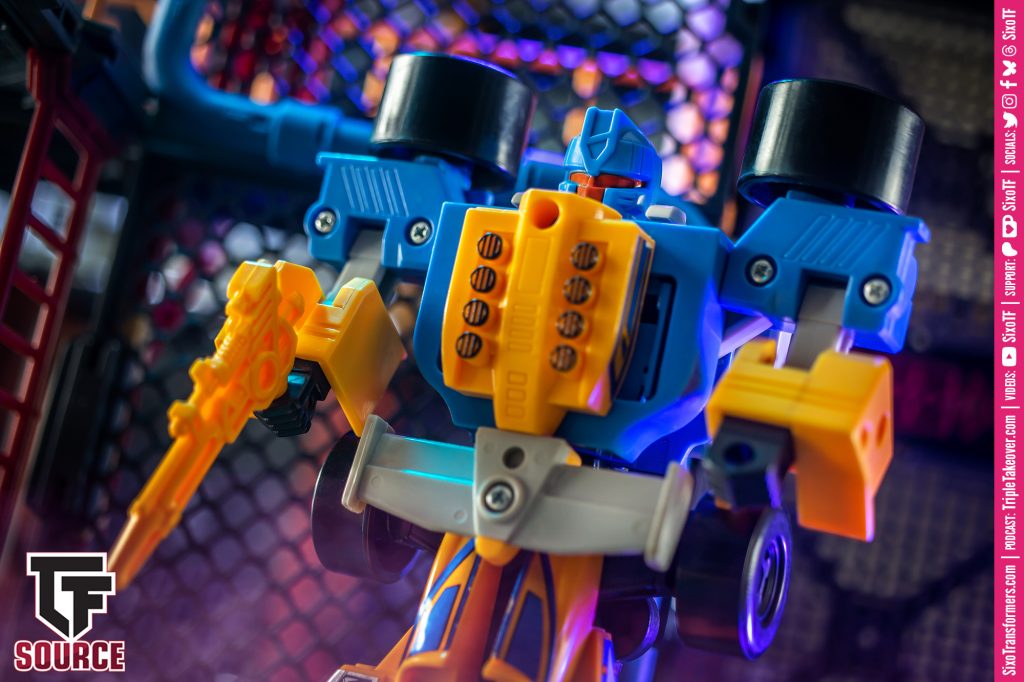
OK, there are some major caveats required for this one. In fact, I feel wrong even typing up a suggestion that Powermasters are anything less than amazing, especially given they’re some of my outright favourite toys of the late 1980s.
Seriously — Getaway, Slapdash, Joyride, Dreadwind, Darkwing, Doubledealer… Powermaster flipping Optimus Prime! They’re all hits, every single one of them, and each remains in pride of place on my shelves to this day.
And yet, far be it for me to not acknowledge the intrinsic flaws of the Powermaster gimmick, some of which are down to execution, sure, whilst others stretch to the core concept itself.
You see, we’re talking about Transformers that cannot transform unless a small accessory is plugged in. There’s certainly an idea worth exploring in there, perhaps, but in practice, it’s a recipe for kids losing the engine partner on the playground and finding their favourite plaything is perennially stuck in a single configuration.
At least, that would be the case were it not possible to entirely cheat by sticking a sly finger inside the mechanism and making it happen without the need for accessorised enhancement. Which sort of begs the question: what was the point of the gimmick to begin with?
Beyond that, though, it made the toys rather unfortunately fragile. Too many copies have been forced to the point of breakage over the years, but even carefully-handled specimens can start to lock up over time, to the point where now, decades on, activating the mechanism can inspire a distinct dread. I’m sure anyone who has recently attempted to transform one of their vintage Powermaster toys will attest to a singular, pervasive thought running through their mind during the process: “Please don’t break!“
It’s one of those which is cool in theory — a worthwhile attempt to succeed the Headmaster and Targetmaster play pattern of the year prior. Yet the execution just fell somewhat flat, despite the toys it featured on all being total bangers.
I might feel bad for saying it, but there it is.
Gimmicks aren’t inherently good or bad — it’s all about execution. The best ones enhance the toys without compromising what makes Transformers great. The worst ones prioritise flash over function, or simply don’t work as intended.
Which gimmicks do you think worked? And which ones do you wish had never made it past the design phase?
TTFN


WHAT HAVE TRANSFORMERS DONE FOR ME?


Suggested Articles
-
 COUNTDOWN: Skybound Transformers #30 — 8 big things to talk about!
Posted on March 11, 2026 by Sixo
COUNTDOWN: Skybound Transformers #30 — 8 big things to talk about!
Posted on March 11, 2026 by Sixo
-
 COUNTDOWN: Missing Link Convoy Repaints — What Could Be Next?
Posted on March 04, 2026 by Sixo
COUNTDOWN: Missing Link Convoy Repaints — What Could Be Next?
Posted on March 04, 2026 by Sixo
-
 COUNTDOWN: Just 30 Tremendous Transformers Tweets From the Last Few Weeks!
Posted on February 27, 2026 by Sixo
COUNTDOWN: Just 30 Tremendous Transformers Tweets From the Last Few Weeks!
Posted on February 27, 2026 by Sixo
-
 COUNTDOWN: 8 TakaraTomy Drops That Are About to Make a Serious Dent in Your Wallet
Posted on February 26, 2026 by Sixo
COUNTDOWN: 8 TakaraTomy Drops That Are About to Make a Serious Dent in Your Wallet
Posted on February 26, 2026 by Sixo